Autumn Budget 2026 reaction

Chancellor John Healey has presented the government’s tax and spending plans in the first budget since Andy Burnham became prime minister.
Key points included:
- Surcharge banks pay on their profits to rise from 3% to 6% for 15 months, starting in January
- Threshold at which High Street shops start paying business rates in England to be increased from £12,000 to £18,000
- Gambling centres and vape shops will not qualify for business rates relief
- Taxes on gambling machines to rise from 20% to 25% for higher-stakes machines
- Requirements for online marketplaces like Amazon, eBay and Temu to be strengthened to prevent sellers using their platforms avoiding paying VAT
- Legal minimum wage to rise by 3.9% in April
- All business rates to be retained locally by the end of the decade, with mayors to keep 20% of revenue from next year
A selection of business leaders deliver their verdict…
Douglas Ure, Chief Executive Officer of Business West

This was a Budget delivered against a backdrop of significant fiscal constraints, but it’s good to see support for businesses through measures on energy costs and business rates relief. The continued focus on investment, growth and strategic sectors is also welcome, particularly in areas where our region has real strengths and ambitions to grow, like AI, defence and life sciences.
It’s great to see the West of England recognised with £10 million of funding for Bristol Temple Quarter. This is one of Britain’s biggest regeneration schemes, with huge potential to drive investment, create jobs and support economic growth, not just in Bristol and the wider region, but nationally too.
We strongly welcome the Chancellor’s announcements to widen devolution across the South West, establishing Mayoral Strategic Authorities across our region. The South West of England has significant untapped economic potential, and these new authorities can provide local leaders with the powers and funding needed to tackle the region’s key challenges and unlock new opportunities for growth.
We’re also really pleased to see the Government committing to a roadmap for fiscal devolution. Giving local areas more control over their finances, and stronger incentives to support businesses and grow their economies, is really important. The proposals for 100% business rates retention by the end of the decade, with 20% going to mayors from 2027, are a significant part of that.
Of course, the detail will be important, but there’s a real opportunity here to give local and regional leaders more of the tools they need to drive growth.
Ramona Derbyshire, Head of Business Growth, Thrings

“A new “Founders Relief” will cut Capital Gains Tax to 10% on up to £10million of lifetime gains for those founding innovative, high-growth companies, with the tax-free trading allowance tripling from £1,000 to £3,000. Under the Budget proposals employee share schemes will also be expanded, and it was announced that improvements would be made to simplify venture capital schemes and R&D tax relief.
“The announcement also brought good news for businesses looking to hire, with new legislation to prevent non-compete clauses from obstructing startups and scaling firms being able to recruit the people they need. The chancellor confirmed that detail on wider restrictive practices would come in early 2027.
“Retail, hospitality and leisure businesses will also benefit through an increase to the Small Business Rates Relief threshold, which will impact around 70,000 further businesses – a move the government claims will result in half of the businesses in those sectors paying no business rates.”
More opportunity for SMEs to win public contracts
“The Budget has also sought to make procurement easier to access, with the chancellor announcing a new ‘British’ supplier definition, so that preferential treatment goes to firms creating genuine investment and jobs in the UK. This is accompanied by a target to spend more than £7billion directly with SMEs by 2028.”
Easier access to capital
“The National Wealth Fund and the British Business Bank will share an extra £20.4billion, which the government claims will aid their role in supporting reindustrialisation, regional growth and Britain’s strategic industries. In the Budget, it was also announced that the latter would be getting more equity capacity and a new venture-debt offer, with a particular focus on smaller firms.
“For growing businesses that struggle to raise funding at the right time, more choice beyond traditional bank lending will be welcome, with the Treasury claiming the extra capital will help create or support 140,000 jobs.”
Emma Carter, Chief Executive Officer of Bristol-based WestSpring IT
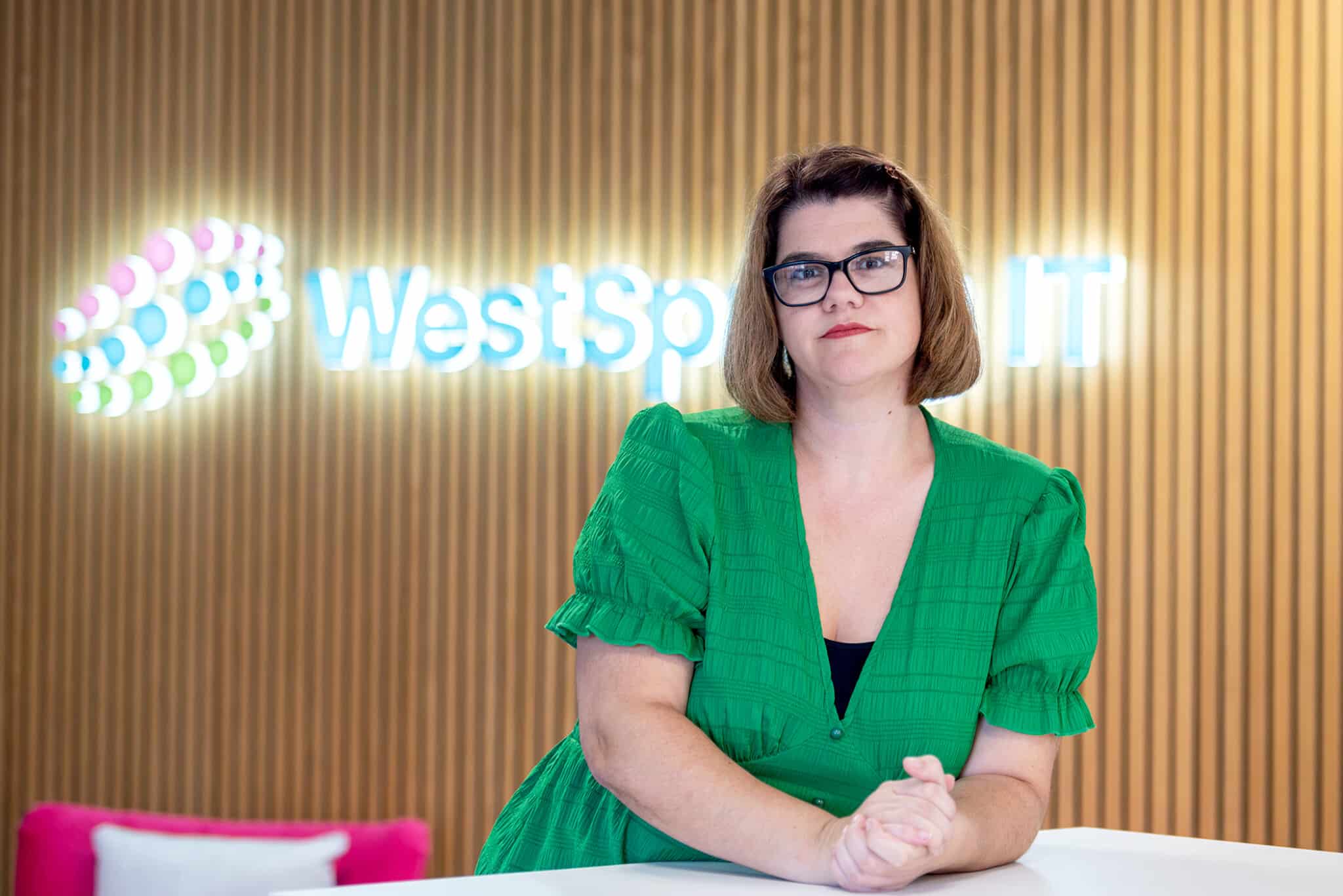
“There are some welcome measures in the Budget, but honestly, I’m not sure it does enough for established SMEs like WestSpring.
“Small business rates relief will help some firms, which is good news, but many growing businesses won’t benefit. At the same time, the cost of employing people keeps going up, making it harder to make sensible decisions about recruitment and investment.
“I’m also concerned about reducing Business Asset Disposal Relief. We should be encouraging people not just to start businesses, but to keep building them, employing people and taking the risks that come with growth.
“For us, and many of our clients, that’s the real issue. Businesses need enough confidence and headroom to invest in their people, technology and future. I’m not convinced this Budget gives them enough of either.
“For us, and for many of our clients, that’s the real concern. Continued cost pressure makes businesses more cautious about hiring, technology and other growth investment. We need an environment that doesn’t just encourage people to start businesses but gives them the confidence and headroom to keep building them.”
Responses will be added as we receive them