Spring Statement 2026 – local business reaction

Rachel Reeves delivered her Spring Statement to the House of Commons today (3rd March), marking the government’s first formal check-in on the health of the economy since the Autumn Budget in November.
As predicted, the forecast was a low-key update which focused on economic forecasts rather than new tax or spending measures. In her statement, Reeves insisted the government has the “right economic plan” focused on stability, infrastructure investment, and economic reform.
Key points included:
- The Office for Budget Responsibility (OBR) has downgraded its prediction for economic growth this year to 1.1% – down from 1.4% at the time of the Autumn Budget
- OBR has upgraded its growth forecasts for 2027 and 2028 from 1.5% to 1.6%
- The forecast shows inflation falling and borrowing down, while living standards and the economy grow, with people set to be £1000 better off
- Reeves also said that UK unemployment is set to peak later this year.
Local business leaders share their thoughts…
Sam Kirkham, Partner at Albert Goodman

“Yesterday’s Spring Budget delivered exactly what was predicted; no major tax or spending changes which provides for some stability. But for those facing rising tax burdens, squeezed incomes and challenging business conditions, in a global volatile and uncertain market, there remains concern for the economy. Rachel Reeves said little about the rising unemployment or the slowdown in growth.
“A quieter fiscal event may calm markets, but it does little to calm the financial strain on households and businesses, who are expecting inflation to increase and a knock on impact to interest rates as a result of the conflict in the Middle East. Without meaningful policy adjustments, the issues identified last autumn will not only persist, they may intensify.”
Rob Chedzoy, Tax Partner at Milsted Langdon

“The Chancellor was clear this would not be a major fiscal event, as promised in Labour’s manifesto. That may suit the Treasury’s timetable, though it does little for businesses dealing with rising costs now and in the near future.
“There were no fresh measures to ease the immediate pressures facing employers, no tax changes to stimulate investment and no additional support for firms exposed to rising input costs. The only comfort was that there were no new compliance requirements or tax hikes to contend with.”
“The OBR expects economic growth of 1.1 per cent in 2026, down from the 1.4 per cent forecast in November’s forecasts, before rising to 1.6 per cent in 2027 and 2028. Growth is then expected to fall back to 1.5 per cent each year through to the end of the decade.
“However, against that backdrop, businesses are grappling with sharply rising energy prices. At a time when conflict in the Middle East is pushing up wholesale gas prices and unsettling global markets, many had hoped for clearer recognition of the risks to the UK economy.
“Higher energy prices feed directly into transport, manufacturing, oil and food supply chains. The impact of such a significant ongoing conflict will eventually show up in inflation and borrowing costs.
“Businesses in the South West are already contending with higher employer National Insurance Contributions, increased wage bills, new regulation requirements, tax increases and tighter margins. If energy costs rise again and interest rate cuts are delayed, cash flow will tighten further, creating more difficult decisions for UK business owners.”
“The Chancellor used her Statement to highlight the Government’s ongoing trade discussions with India, the US and the EU, reforms aimed at backing entrepreneurs and the £820 million earmarked for apprenticeship reform.
“While the Government has consistently pledged to bring down the cost of living, a prolonged conflict in the Gulf would make that objective significantly harder to achieve.
“There is a clear determination from the Government to present a message of stability. The difficulty is that stability at home cannot insulate us from volatility overseas.
“Clients are telling us they need clarity on tax, energy and employment costs to plan with confidence and we agree.
“In the absence of new policy support, firms need to take control of what they can. That means stress-testing cash flow against higher energy and financing costs, reviewing pricing strategies, exploring qualifying tax reliefs and revisiting capital expenditure plans to help them get a more accurate picture of what the next 12 months will look like for them.
“Professional advice and early action will make the difference if conditions deteriorate nationally or on a global scale.”
Neill Pemberton, Partner and Head of Commercial Property, Goughs Solicitors

“It is profoundly disappointing that today’s Spring Budget, just announced by the Chancellor, has not heeded industry concerns about the minimum wage’s impact on jobs, particularly for young people. Official data shows that UK youth unemployment has risen sharply, reaching its highest level in more than a decade, with around one in six young people out of work. Yet the Budget maintains the recent significant increases to wage floors without meaningful recalibration. Perhaps it is too soon to admit the mistake.
“I have consistently argued that while the minimum wage is well-intentioned, it does more harm than good. No system of determining wages is perfect, but my view is compensation levels are better determined by market forces and skills than centrally mandated by government. Wage interference risks pricing out the very groups these policies aim to support. Those expecting their GCSE or A-Level in Economics, who are the ones facing the challenge of finding work, will know that this is about demand and supply. As they quickly grab their pencil to draw the graph and intersecting lines, they are reminded that increasing the price of something will, for the most part, reduce demand.
“Employers contend with substantial labour burdens, particularly with the introduction of the Employment Rights Act, bringing with it more obligations and protections across the workforce. When you add this to the already increased National Insurance contributions, the earlier access to employee rights and benefits, and mandated minimum wage increases, it is no surprise that businesses are reconsidering entry-level hiring strategies. The Government is hiking up the price of employment. Employers look for cheaper alternatives. Many continue to explore offshoring, outsourcing, or accelerating AI deployment, to bring that price down.
“The position is getting worse, not better. I speak with mentees who tell me that graduate jobs that were available while they were doing their internship, now aren’t due to a shift in focus to what AI can do for them. In two conversations last week with a business owner and business operator, where there is no AI focus of note, both expressed an appetite to hire young workers. Both make business decisions when they hire. Both weigh the experience they will acquire against the cost of the wages. Both are led to the same conclusion: pay a little more for the experience. The facts I hear are conclusive, the minimum wage, at least at its current level, makes inexperienced candidates too expensive and too risky. Much of the Government’s action are neither pro-business nor pro-job seeker.”
Amber Ballans, Solicitor & Employment Law Specialist, Goughs Solicitors

“My view may be counterintuitive, that the adherence by successive governments to minimum wage theory has, in practice, failed the younger generation. The unemployment statistics for 16-24 year olds, particularly since 2022, bear this out. As increases in the rate of minimum wage continues to go up and outpace inflation, the rate of unemployment among those seeking the seemingly elusive minimum wage jobs continues to rise. Turning up the wage dial seems to be making the cries for jobs louder. Will any government realise the volume is too loud and turn it down? Or are they all tone-deaf and unable to hear the screams of those looking for work? The reality is it would be politically unpopular to turn it down, and other world events provide the Government with the perfect set of noise-cancelling headphones.
“I generally favour fewer things mandated and more things curated. I want to see the Government focus more on what works for both the employer and the employee: skills. Employer contributions to initiatives that train candidates, like apprenticeships, while another significant cost to larger employees, are far more effective measures. They broaden the talent pool of experienced, enthusiastic, and affordable candidates. Most employers do not need to be told to pay more. Let’s be honest, modern employment legislation isn’t created to celebrate the behaviour of good employers – it’s a response to the poor behaviour of the few, and safeguards against the exploitation of vulnerable workers are an unavoidable byproduct of this. Sadly, a few ‘bad apple’ employers mean those employers we know are stuck with rules that they argue don’t work, and today’s announcements do nothing to remedy that.”
Wera Hobhouse, Liberal Democrat MP for Bath
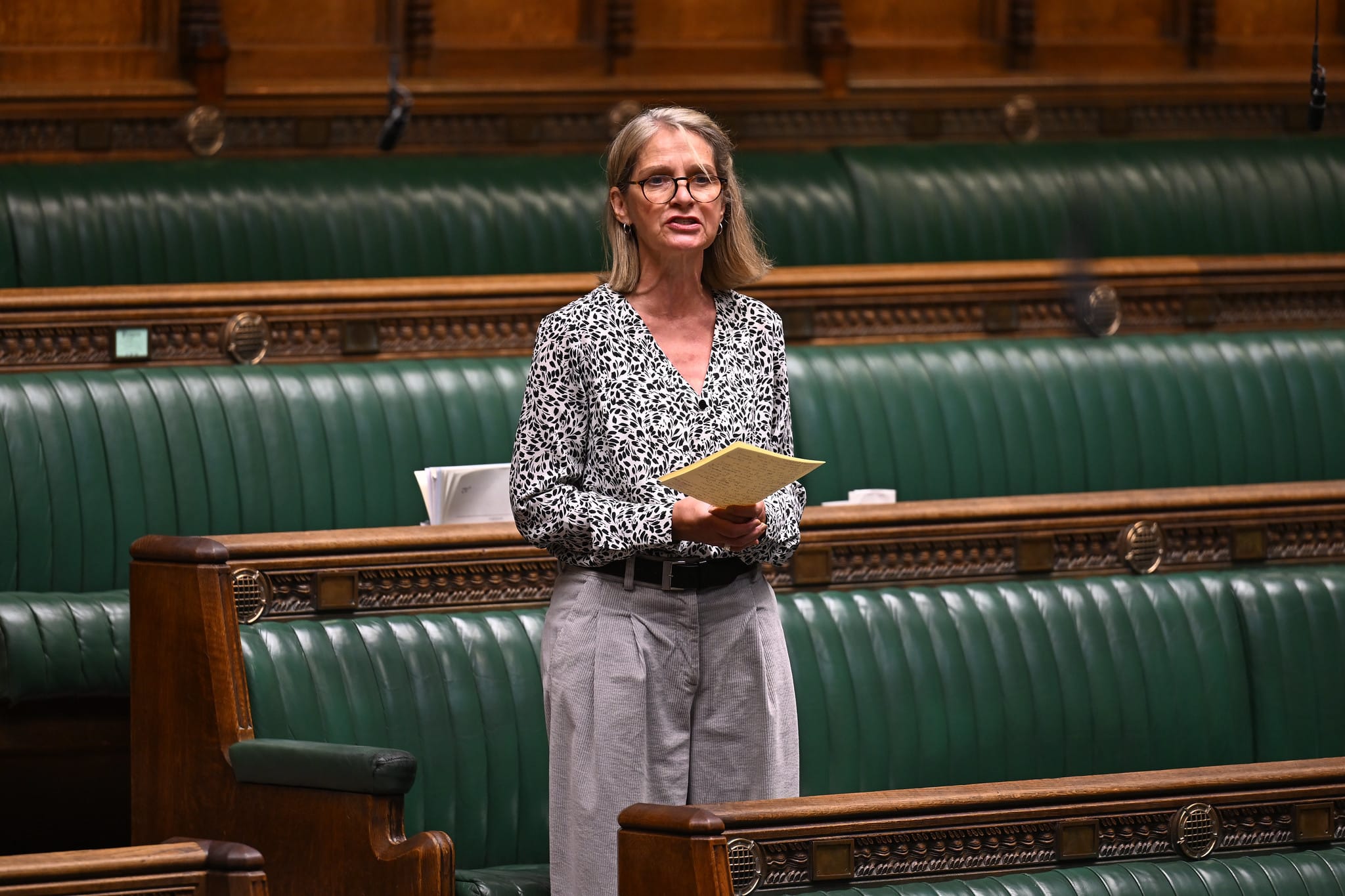
“Across our city, families are already struggling with eye-watering bills, and local business owners are worried about how much longer they can cope with soaring costs and unfair tax rises. Now they are worried sick that Donald Trump’s illegal military action in Iran could send prices even higher, as gas and petrol costs begin to surge.
“All of this is being made worse by a reckless and unreliable US President who keeps threatening Britain and the world with damaging tariffs and chaos on the global stage.
“This Spring Statement was a missed opportunity to deliver meaningful relief. The Government should be helping Bath’s hard-working residents, not piling further pressure onto their finances.
“We need urgent action to scrap the fuel duty hike, a fairer tax system for small businesses, and a new UK-EU customs union to get our economy growing again. These steps would protect jobs, support families, and give our country a fighting chance in these deeply challenging times.”
We will add further responses as we receive them
Pictured: (Top of page) Image by PublicDomainPictures from Pixabay